
Invasive Impact
By Kane McDermott
September 14, 2021
Introduction
Florida is home to some amazing wildlife, both on land and in its extensive canal systems and coastal waters. However, many of these species are non-native or invasive to the state and had a lot of uncertainty surrounding their effects on the native species.
Over the past century numerous species of fish and reptiles have been successfully introduced into the Florida ecosystem. However, most of these introductions occurred illegally and could have caused serious problems for the native wildlife.
Invasive & Nonnative
First, I’ll break these “intruders” into their two different categories; nonnative and invasive.
Nonnative species are those that were intentionally introduced to the ecosystem to provide value or service to the wildlife.
Nonnative: Nonnative species are brought in by the Florida Fish and Wildlife Conservation Commission (FWC) and involve large scale operations to ensure their survival in their new environment.
- A great example of a successfully introduced fish by the FWC would be their 1984 indoctrination of the Butterfly Peacock Bass from the Amazon
- This fish was deliberately introduced to lower populations of Oscar fish, another nonnative species that were introduced for sport fishing, after their population numbers grew too high.
Invasive: Now, unlike nonnative species, invasive species are those that were illegally introduced to the ecosystem with no government approval or strategy to ensure their survival.
- On top of this, invasive species aren’t properly researched and can often become a risk for the native wildlife.
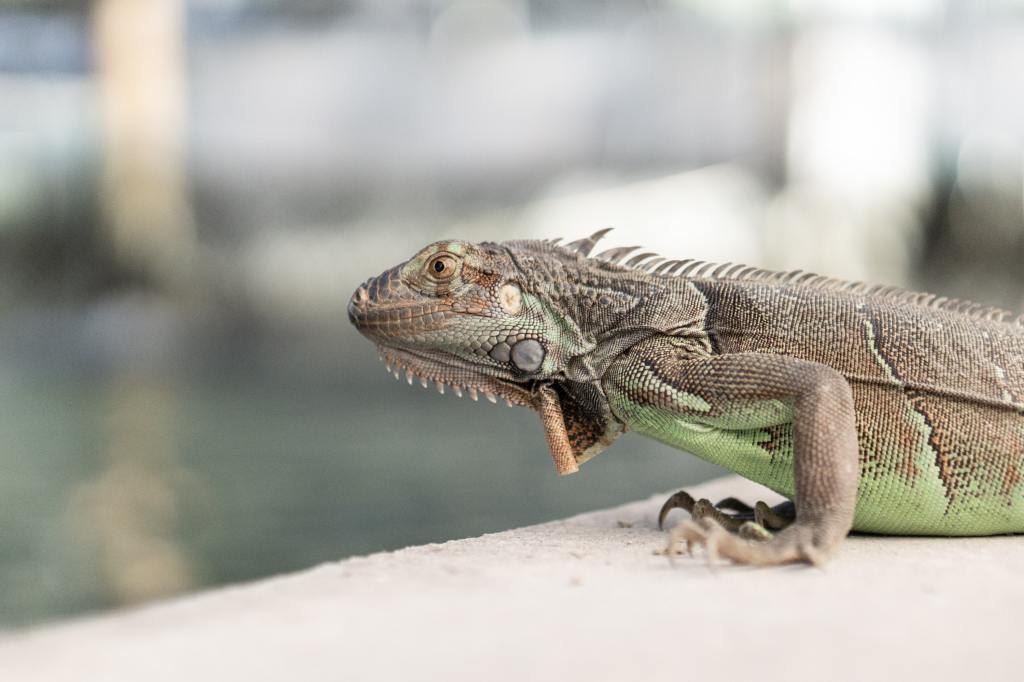
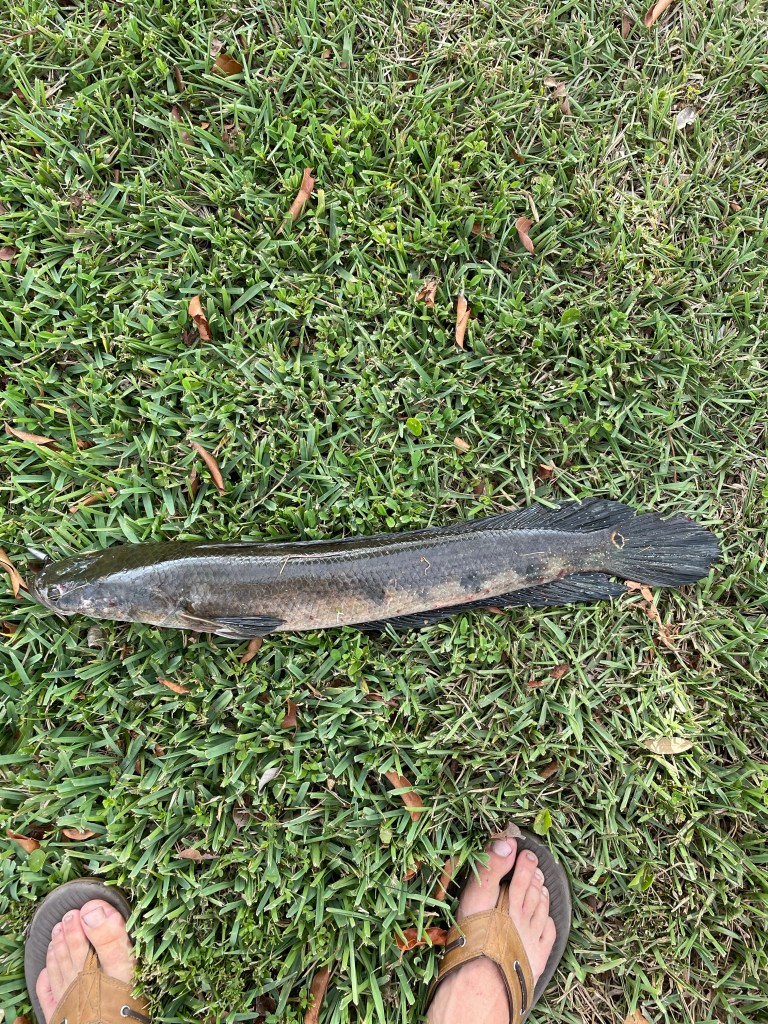
- Examples of invasive species are the Bullseye Snakehead fish and green iguanas.
- These invasive species often come to Florida as pets and are later released into the wild by their careless owners.
The Effect of Invasive Species on Native Wildlife
Due to the lack of planning and research, invasive species commonly cause problems for the native wildlife.
- Green iguanas have earned a reputation as the most-wanted enemy of Florida birds.
- These expert climbers will often go up trees to gorge on feast consisting of bird eggs and endangered tree-snails.
- The Bullseye Snakehead is another invasive species that earned a bad reputation early on for its aggressive temperament, seemingly endless diet, and ability to survive out of water for extended periods of time.
- Many feared the arrival of this species as they believed it would become an apex predator in Florida and wipeout the current population of Large Mouth Bass, a native fish to Florida.
- However, their population has been maintained in recent years and is now renowned by anglers for their fighting power and courageous chefs for their flakey white meat.
Click this link to read more about fishing for Bullseye and Giant Snakeheads
Local Efforts
The initial objective is to stunt the spreading of the species throughout the rest of the state until their potential effect is fully realized.
- Reptiles such as iguanas and pythons are hunted by FWC workers throughout the Everglades and state parks.
- At times the FWC will offer up rewards for captured pythons and will encourage the hunting of green iguanas in certain areas.
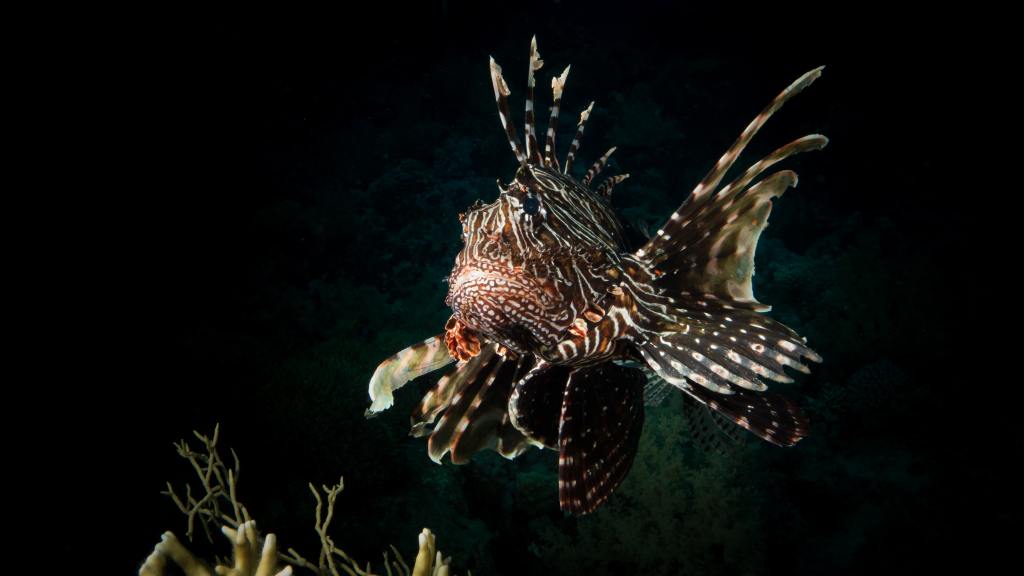
- Aquatic species such as the Snakeheads found in canals and Lionfish found in coastal waters have been maintained through recreational activities.
- Anglers were originally directed to kill Snakeheads on-sight, but after observing them living peacefully alongside the native bass population the FWC now ask anglers to simply release the fish where they caught it to prevent over-spreading.
- As for the Lionfish, spearfisherman often find themselves in swarms where they can harvest as many as they wish with no regulations.
- In recent years chefs have also worked to efficiently remove the toxic spines from the fish so their meat could be used for culinary purposes.
 KANE ANTHONY