
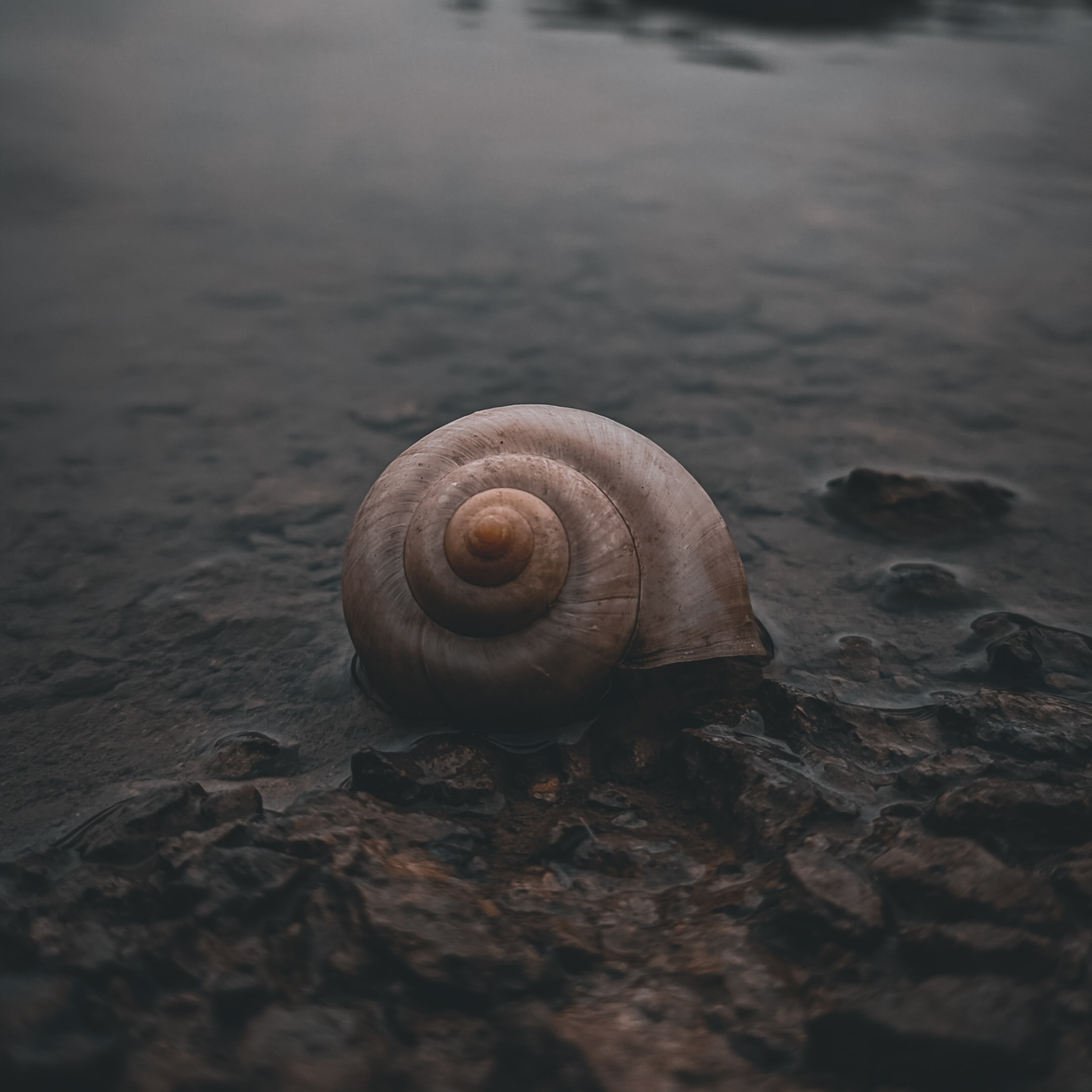
Using Invasive Apple Snails to Clean Aquariums
July 15th, 2021
Introduction
Southern Florida has become home for the invasive Amazonian Apple Snail. Most anglers, or anyone who walks along the banks of the various south Florida canals, has probably stepped on hundreds of empty shells left over from unfortunate snails. Additionally, they’ve likely seen a cluster of pink snail eggs on concrete structures/piping along these banks as well.
Why Keep One?
Short answer, they add variety to a freshwater aquarium and provide an alternative to cleaner fish such as the commonly used Pleco. They’re also more interesting to observe than most people think.
The Hard Part
The most difficult step in setting up a wild Apple Snail in your aquarium is actually locating one. Despite the thousands of shells left on the banks, live Apple Snails tend to stay in the water, except when they make climbs out to lay their eggs.
Where to Look
Try searching any canals with long concrete walls. You can usually find smaller concrete walls where pipes feed into the canal when the water levels drop. If you see clusters of slippery pink eggs hanging on the wall, there’s a snail nearby! If the eggs appear dried out or sun faded, the snail is likely gone back into deeper water, but that canal could still hold others getting ready to come out and lay eggs.
Check the Grass and Rocky Banks
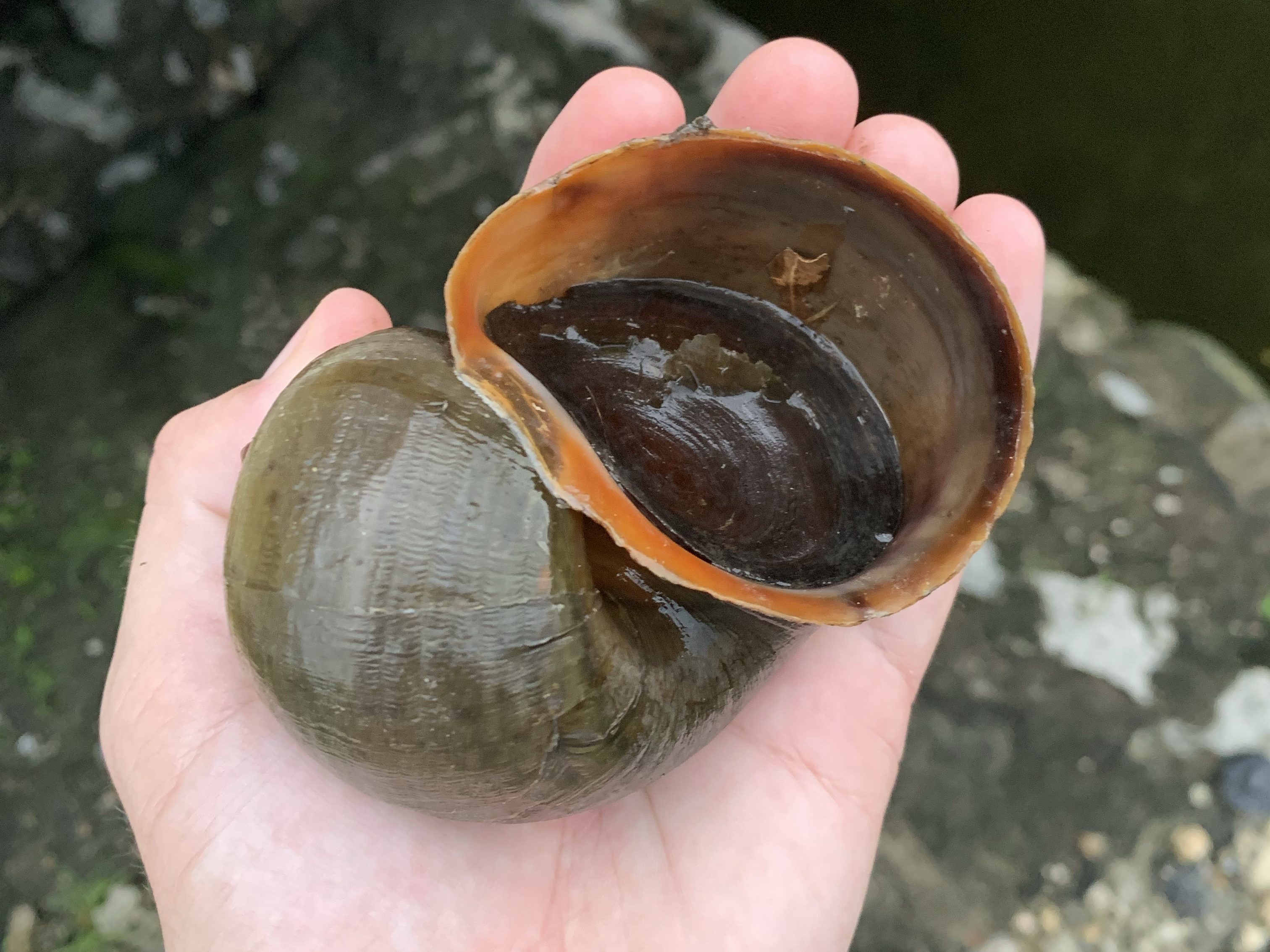
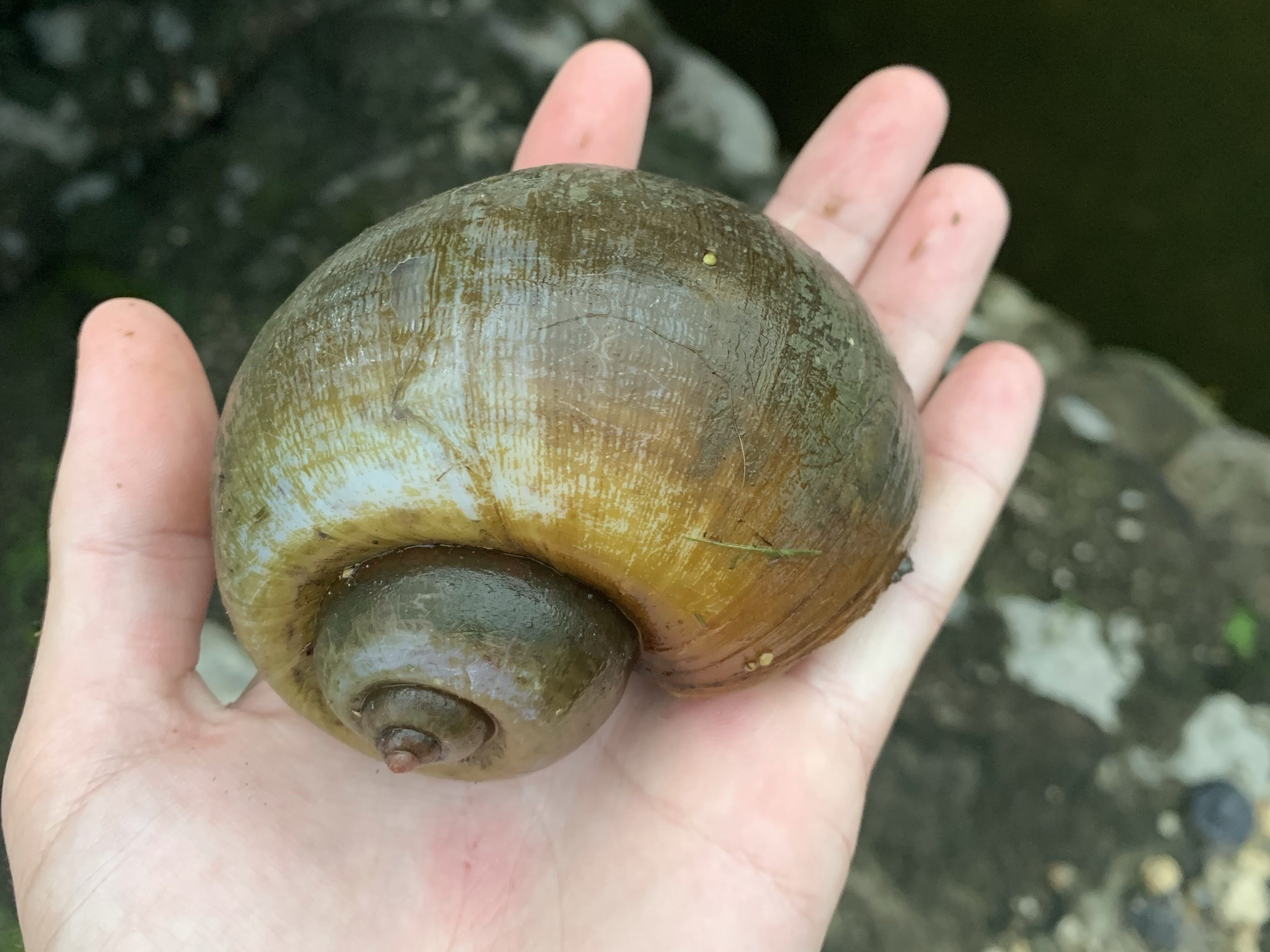
Most of the shells on land are going to be empty, but if you pick one up that feels heavier than the others, check it for a shiny black surface closing up the opening. It’s not dirt clogged in there, it’s an Apple Snail! The largest live Apple Snail I ever found was actually a few feet back from the water resting in the grass. Below are pictures of the palm-sized snail I found.
The Easy Part
Taking care of Apple Snails is quite easy. For the most part, they will be fine eating the algae off rocks and the glass of the tank. However, if you have a particularly clean tank, or just want the snails for their appearance, you could drop algae pellets in for them to eat.
For first time Apple Snail owners, we recommend reviewing a short article that explains the type of environment they require to thrive.
Important: the biggest risk of adding an Apple Snail to your tank from the wild is the potential for it to lay eggs. I’d recommend checking the top of the tank and around the light fixtures at least once a week for snail eggs. If a cluster hatches, you could be in for way more snails than you bargained for. However, it’s worth noting that these baby snails are adorable and pretty neat to watch grow.
CAUTION:
After adding an invasive Apple Snail to your tank, you cannot legally release it back into the wild. The same goes for any eggs that hatch while in your aquarium.
 KANE ANTHONY